3d Fence 358 Mesh Design Blocks Climbing Attempts
11 月. 6, 2025 15:14 Back to list
PVC Privacy Fence
Bridge Reinforcement Mesh, also known as Welded Reinforcement Fabric (WRF) for bridges, has become a pivotal material in modern bridge engineering. It stands apart from standard mesh by utilizing larger diameter reinforcing bars, higher-grade steel, and a denser grid configuration. This robust design enables it to effectively withstand the demanding conditions of heavy vehicle vibrations, fatigue loading, and environmental corrosion.
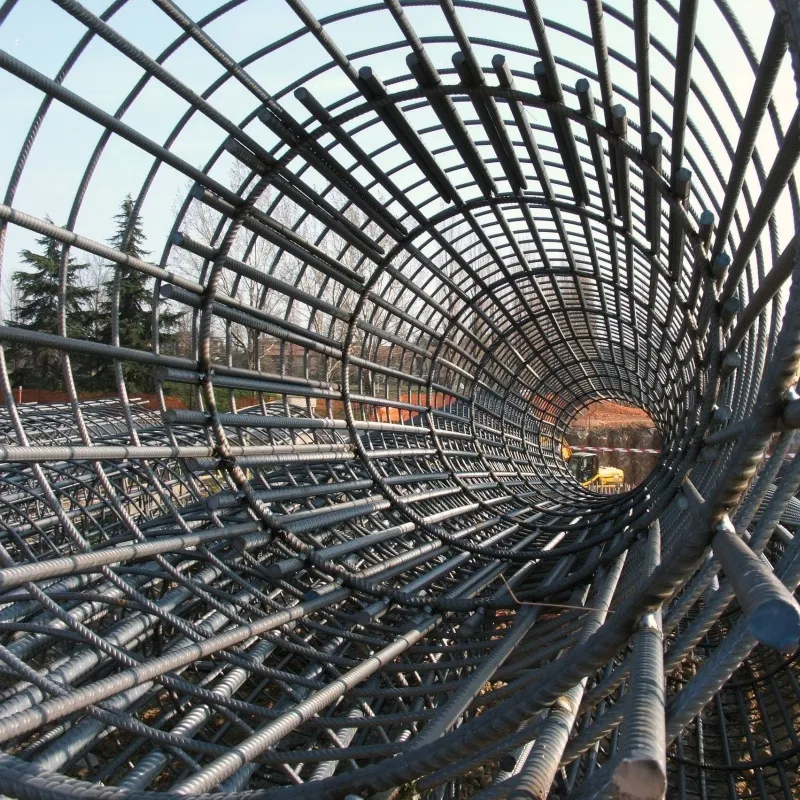
Enhanced Construction Efficiency Delivered as prefabricated welded panels, the mesh is ready for immediate installation on-site. This eliminates the tedious process of manual rebar tying and dramatically reduces construction timelines.
Superior Structural Performance The longitudinal and transverse bars are welded into a monolithic structure, ensuring uniform load distribution. This significantly enhances the bridge’s tensile, shear, and crack-resistance capabilities.
Consistent Product Quality Automated factory production guarantees strong weld points and precise grid spacing, preventing common issues of manual work like missed ties or loose connections.
Exceptional Durability Manufactured from high-strength steel (HRB400, HRB500) and often treated with hot-dip galvanizing or an epoxy coating, this mesh offers superior resistance to long-term fatigue and corrosion.
Significant Steel and Cost Savings Engineered for precise reinforcement, this mesh system optimizes material use, resulting in 10%–30% less steel consumption compared to the traditional method of tying individual bars.
The grade of steel is the single most important factor determining the performance and application of reinforcement mesh in bridge construction.
Q235 (Mild Carbon Steel)
Yield Strength: Approx. 235 MPa
Characteristics: Low cost, excellent weldability, and high ductility.
Applications: Best suited for low-stress applications like roadways, ground slabs, or non-structural components. In bridge projects, it’s typically used for temporary works.
HRB300 (Grade 300 Hot-Rolled Ribbed Bar)
Yield Strength: ≥ 300 MPa
Characteristics: A step up from Q235, commonly used for floor slabs and tunnel linings.
Applications: Suitable for secondary beams or low-load areas in bridges, but not recommended for primary structural elements.
HRB355 (Grade 355 Hot-Rolled Ribbed Bar)
Yield Strength: ≥ 355 MPa
Characteristics: A popular mid-range grade offering a good balance of strength, toughness, and weldability.
Applications: Widely used in bridge structures for components under moderate load, such as bridge decks and railings.
HRB550 (Grade 550 Hot-Rolled Ribbed Bar)
Yield Strength: ≥ 550 MPa
Characteristics: An ultra-high-strength steel engineered to withstand sustained heavy and fatigue loads, offering maximum durability.
Applications: The ideal choice for critical, load-bearing elements like main girders and in long-span bridge projects where safety and service life are paramount.
Key Takeaways on Steel Grade Selection:
High-strength grades such as HRB400, HRB500, and HRB550 are the preferred choices for bridge construction.
Q235 and HRB300 are better suited for light-duty or temporary projects and are not recommended for a bridge’s primary load-bearing structures.
HRB355 is a reliable option for medium-duty bridge projects, while HRB550 is the gold standard for large-span, high-load bridges.
Grade Selection: Projects typically require HRB400 or higher to ensure an optimal balance of strength and ductility.
Weld Quality: Welds must meet international standards such as ASTM A1064, BS 4483, or GB/T 1499.3.
Corrosion Protection: For bridges exposed to rain, salt spray, or extreme temperatures, hot-dip galvanized or epoxy-coated mesh is strongly recommended.
Logistics and Installation: Large panels may require segmented transport. On-site lapping must be executed correctly to ensure continuous force transfer.
Concrete Cover: The thickness of the concrete layer over the steel must adhere to project specifications to prevent corrosion and extend the structure’s lifespan.
Rebar Diameter: 8 mm – 16 mm
Steel Grade: HRB400, HRB500, HRB550 (or equivalents like ASTM A615 Grade 60/75)
Mesh Aperture: 100×100 mm – 200×200 mm
Panel Dimensions: Width 2.4 m – 3.0 m, Length 6 m – 12 m (Customizable)
Surface Finish: Black (untreated), Hot-Dip Galvanized, Epoxy-Coated
Weld Shear Strength: No less than 50% of the parent material’s specified yield strength.
As a supplier, we understand that international clients prioritize the following:
Compliance with International Standards (e.g., ASTM, BS, AS/NZS, GB).
Material and Specification Accuracy to match engineering drawings.
Consistent Weld Quality and certified tensile strength.
Proven Corrosion Resistance, especially for projects in coastal or humid regions.
Reliable Production Capacity and Lead Times to meet tight project schedules.
Customization Capabilities to adjust grid size and dimensions as needed.
Cost-Effectiveness that delivers high performance without compromising the project budget.
As the demand for higher quality and faster construction grows, bridge reinforcement mesh has emerged as the premier solution. Its combination of high strength, superior durability, standardized production, and installation speed makes it an indispensable component of modern infrastructure. By carefully selecting the appropriate steel grade—from Q235 and HRB300 for secondary uses to HRB355 and HRB550 for critical structures—engineers can achieve the perfect balance of safety, longevity, and economic value.
Partner with a Global Leader in Bridge Reinforcement
Finding a supplier who meets strict international standards without delaying your project is critical. At Bangjun Metal, we eliminate the uncertainty. We deliver certified, high-strength bridge mesh on schedule and on budget, ensuring your project proceeds with confidence.
Ready to secure a reliable supply chain for your next project?
Submit your technical specifications or project drawings to sai@bangjunmetal.com for a priority quote and a complimentary compliance report.
-
Characteristics And Advantages Of Gabion Mesh
News11 月. 6, 2025
-
Characteristics And Advantages Of Stainless Steel Woven Mesh
News11 月. 6, 2025
-
Characteristics and Usage Precautions of Barbed Wire
News11 月. 6, 2025
-
Enhance Your Projects with Quality Materials
News11 月. 6, 2025
-
Affordable and Elegant Fencing Solutions for Your Horses
News11 月. 6, 2025
-
The Ultimate Fencing Solutions for Your Horses
News11 月. 6, 2025
-
The Main Application Areas and Usage Precautions of Razor Wire
News11 月. 6, 2025
-
The Main Application Areas of Gabion Mesh
News11 月. 6, 2025
-
Your Go-To Solutions for Welded Wire Mesh
News11 月. 6, 2025
-
Durable Solutions with Galvanized Wire Mesh
News11 月. 6, 2025
-
Build Stronger with Quality Mesh Solutions
News11 月. 6, 2025
-
Find the Best Concrete Wire Mesh for Your Project
News11 月. 6, 2025